Line haul is the long-distance backbone of freight networks. Learn how it works, who uses it and why Kansas City is a natural line haul base.
In trucking, line haul is the long-distance movement of freight between terminals, hubs and distribution centres. It is distinct from local pickup and delivery, which moves freight between customers and the nearest terminal.
Who uses line haul?
- LTL carriers connecting terminals across their networks.
- Parcel and e-commerce networks moving trailers between sort centres.
- Retailers linking distribution centres.
- Manufacturers moving products between plants and warehouses.
How line haul operates
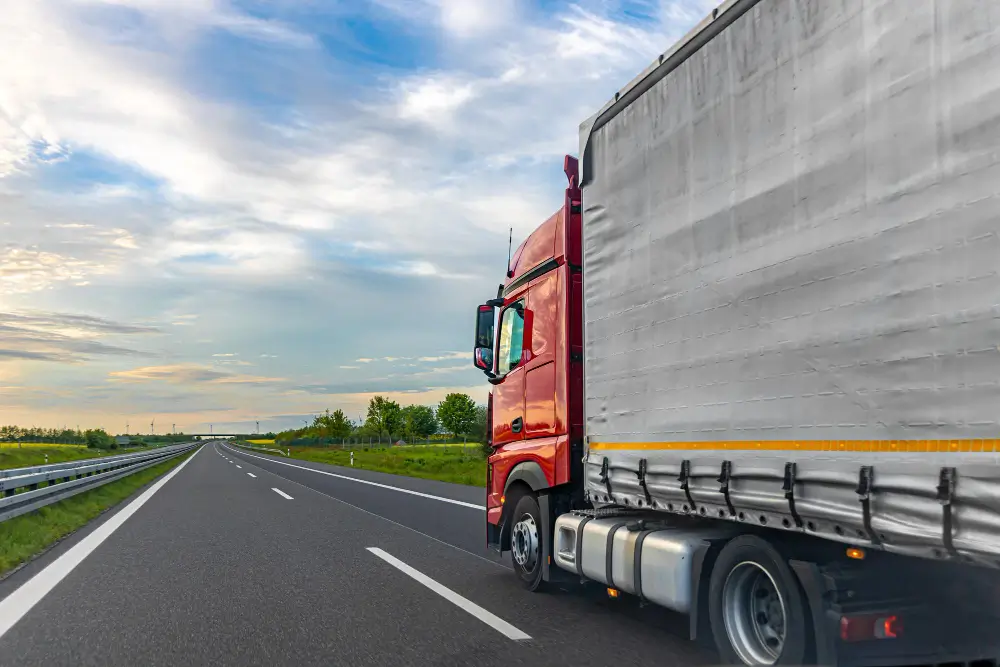
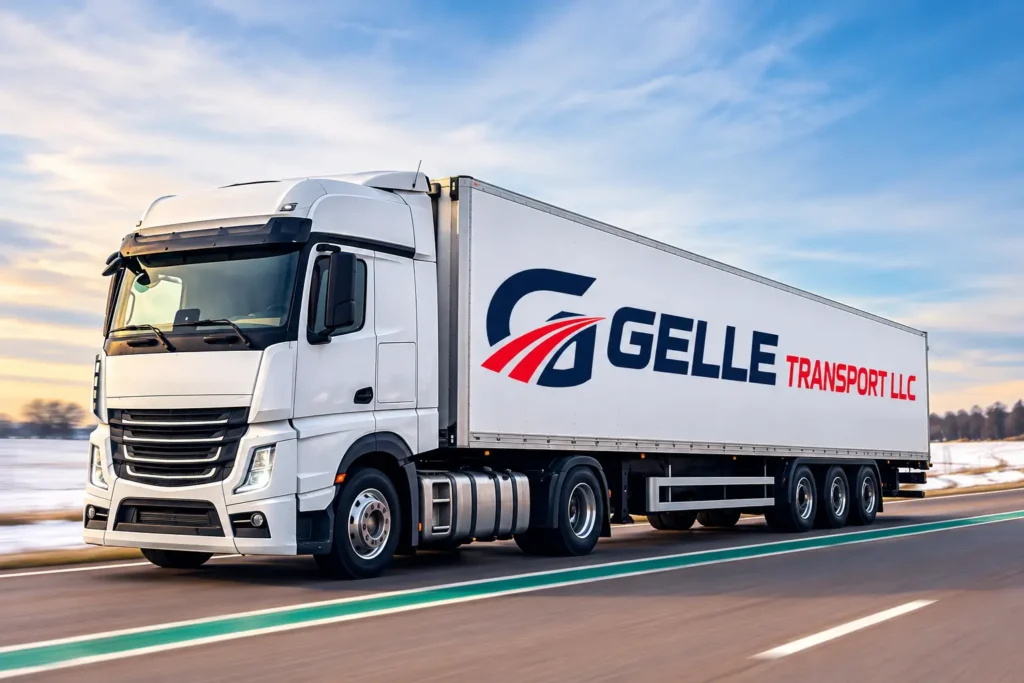
Many line haul runs are scheduled — for example, a trailer leaves one hub every night and arrives at another the next morning. Drop-and-hook operations keep trucks moving: the driver drops one trailer and collects a pre-loaded one rather than waiting at the dock. On very long lanes, relays or team drivers keep freight moving within hours-of-service limits.
{{fig:truck.webp|Scheduled line haul keeps freight networks moving overnight.}}Why location matters
Kansas City sits where I-70, I-35 and I-29 meet. Chicago, Dallas, Denver, St. Louis, Omaha, Oklahoma City and Minneapolis are all within roughly a day’s drive, which makes Kansas City an efficient base for Midwest line haul.
Line haul vs long haul
The terms overlap. “Long haul” describes any long-distance trip; “line haul” usually refers to scheduled hub-to-hub movements inside a freight network. Learn more about our line haul trucking.
Ready to move your freight?
Get a clear quote for truckload, heavy haul, intermodal or dedicated freight.